


The short answer: Four supplements have evidence worth your money: creatine monohydrate (3–5 g daily), caffeine (3–6 mg/kg pre-session), vitamin D if you are deficient (1000–2000 IU), and protein powder as a convenience food. Everything else — BCAAs, pre-workout blends, fat burners, testosterone boosters — is spending without a measurable return.
The Complete Ranking
This is the whole supplement aisle, sorted by whether it survives controlled testing. Nothing below is a hedge: tier 1 means repeated randomized trials show an effect you can measure; tier 3 means the effect is absent, tiny, or achievable with food.
| Supplement | Tier | Effective dose | What it actually does | Cost / month |
|---|---|---|---|---|
| Creatine monohydrate | 1 | 3–5 g daily, any time | +5–15% on sets under 30 s; +1–2 kg lean mass over 8–12 weeks | $3–5 |
| Caffeine | 1 | 3–6 mg/kg, 45–60 min before | +2–7% endurance; lowers perceived effort | $0–4 |
| Vitamin D (if deficient) | 1 | 1000–2000 IU daily | Corrects deficiency; no performance gain if you are already replete | $2–4 |
| Protein powder | 1* | 20–40 g as needed | Food, not a supplement — closes a protein gap conveniently | $15–30 |
| Beta-alanine | 2 | 3.2–6.4 g daily, split | Helps only in the 1–4 minute effort range | $8–12 |
| Electrolytes | 2 | Situational | Useful past 90 min of heavy sweating; pointless for a 40 min home session | $0–20 |
| Pre-workout blends | 3 | — | Caffeine plus filler, at 10× the price of caffeine | $30–45 |
| BCAAs / EAAs | 3 | — | Redundant if you hit your daily protein target | $25–40 |
| Testosterone boosters | 3 | — | No meaningful effect in men with normal levels | $30–60 |
| Fat burners | 3 | — | Caffeine, repackaged, with an appetite claim | $30–50 |
*Protein powder earns tier 1 as a food, not as a compound with an independent effect. The full case is in our protein guide for bodyweight athletes.
Nothing Here Beats the Basics
Before the shopping list: the total effect of every supplement in tier 1, stacked, is smaller than the effect of training three times a week for a year. Creatine adds perhaps 1–2 kg of lean mass over 12 weeks. A consistent bodyweight program adds far more than that, and it costs nothing.
So the order of operations is fixed. Train first, eat enough protein second, sleep third, supplement fourth. If any of the first three are broken, tier 1 supplements will not rescue them.
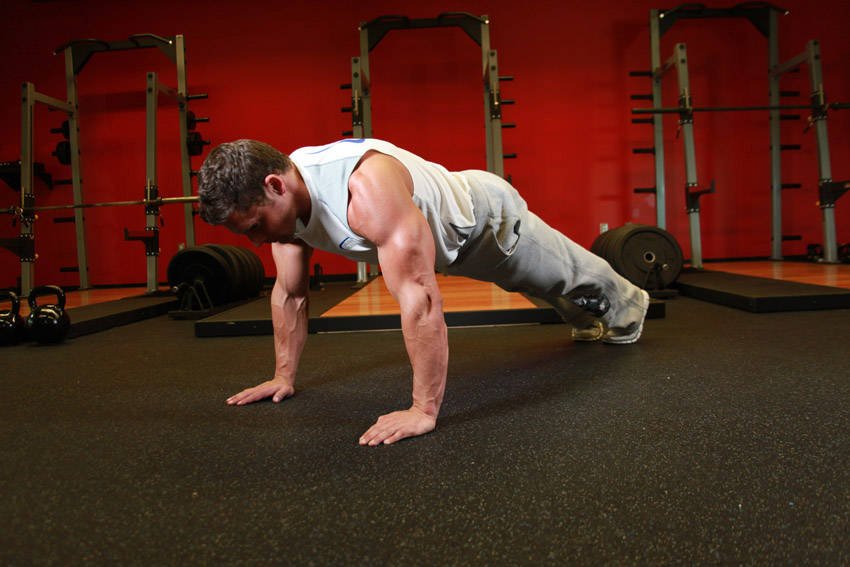
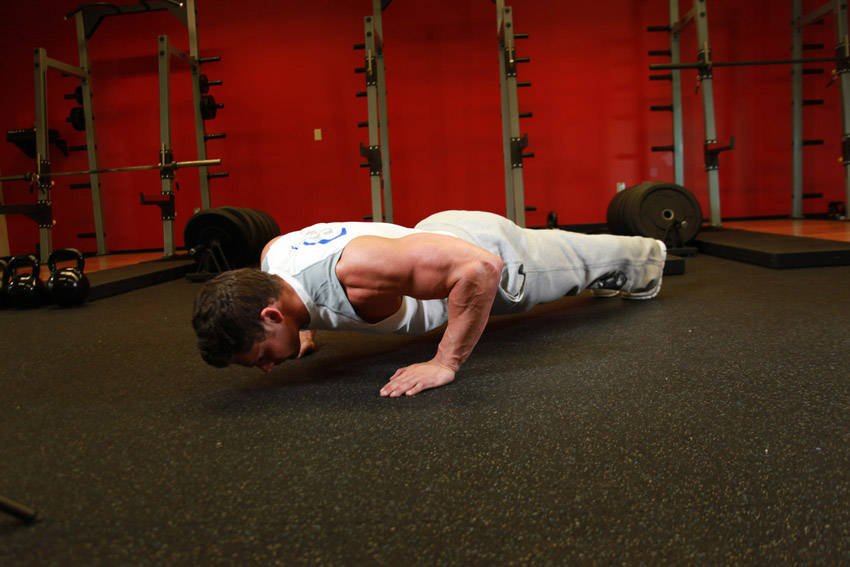
How to perform
- Lie on the floor face down and place your hands about 36 inches apart while holding your torso up at arms length.
- Next, lower yourself downward until your chest almost touches the floor as you inhale.
- Now breathe out and press your upper body back up to the starting position while squeezing your chest.
- After a brief pause at the top contracted position, you can begin to lower yourself downward again for as many repetitions as needed.
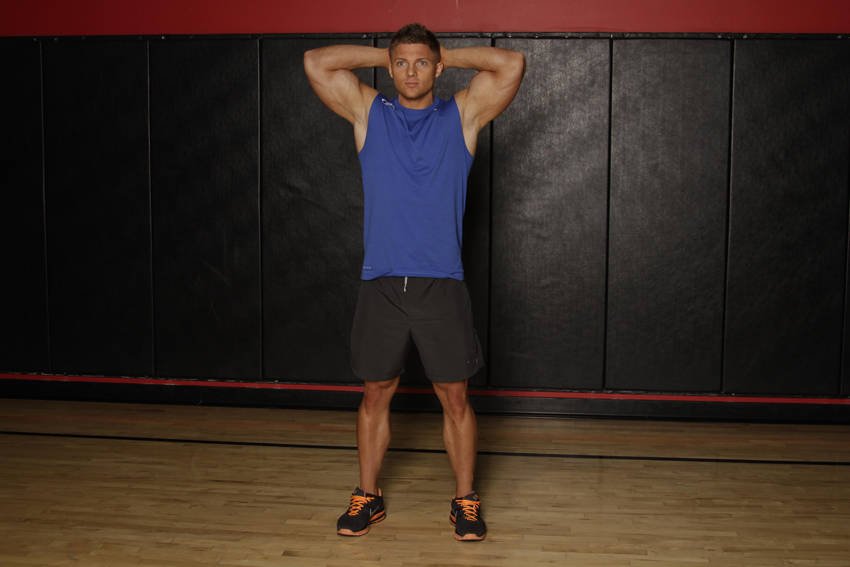
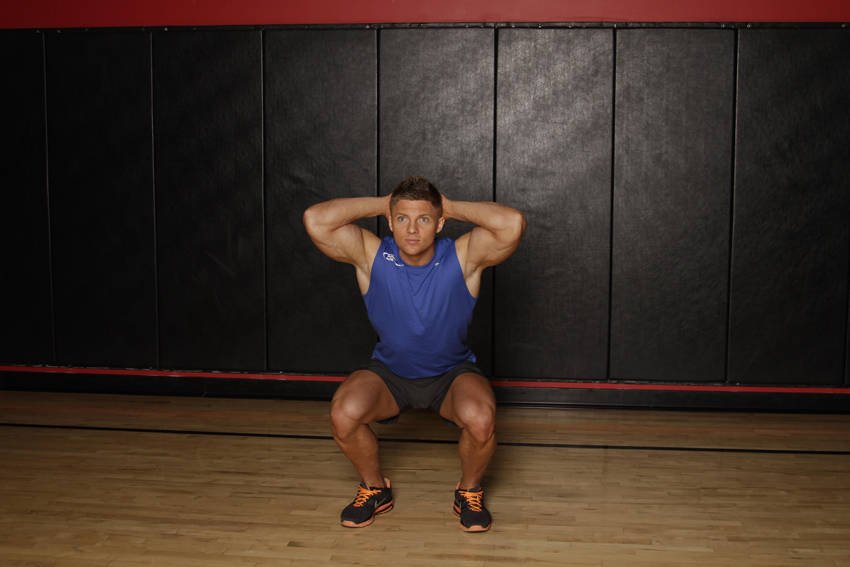
How to perform
- Stand with your feet shoulder width apart. You can place your hands behind your head. This will be your starting position.
- Begin the movement by flexing your knees and hips, sitting back with your hips.
- Continue down to full depth if you are able,and quickly reverse the motion until you return to the starting position. As you squat, keep your head and chest up and push your knees out.
Tier 1: Creatine Monohydrate
Creatine is the most-studied sports supplement in existence and the only one with a large, reliable strength effect. It refills the phosphocreatine system that powers your first 10–30 seconds of hard work — the exact window that covers a set of pull-ups, a sprint, or a max push-up set.
| Question | Answer |
|---|---|
| Which form? | Monohydrate. HCl and buffered forms cost 3–5× more with no measured advantage. |
| Loading phase? | Optional. 20 g/day for 5–7 days saturates in a week; 3–5 g/day gets there in 3–4 weeks. |
| Timing? | Irrelevant. Total daily intake is what saturates the muscle. |
| Cycling needed? | No. Continuous use is well tolerated in long-term studies. |
| Water weight? | Yes — expect 0.5–1.5 kg of intracellular water in the first two weeks. It is not fat. |
| Non-responders? | Roughly 20–30% of people, usually those already high in dietary creatine from red meat. |
The form comparison, with the marketing claims taken apart one by one, is in our creatine forms guide.
Tier 1: Caffeine — Dose, Timing, and Tolerance
Caffeine is the cheapest performance gain available. The dose that shows up in trials is 3–6 mg per kg of bodyweight, taken 45–60 minutes before training. Below 3 mg/kg the effect is inconsistent; above 6 mg/kg you get more side effects and no more performance.
| Bodyweight | Low dose (3 mg/kg) | Standard (5 mg/kg) | Equivalent |
|---|---|---|---|
| 60 kg | 180 mg | 300 mg | 2–3 cups of brewed coffee |
| 75 kg | 225 mg | 375 mg | 3–4 cups of brewed coffee |
| 90 kg | 270 mg | 450 mg | 4–5 cups (at the upper safe edge) |
The tolerance question. Daily caffeine at a fixed dose does blunt the subjective kick within 1–3 weeks. The performance effect degrades less than the feeling does, but it does degrade. Two practical approaches work:
- Strategic use: keep caffeine for your 2–3 hardest sessions per week and drink decaf on the rest. No withdrawal, no escalation.
- Deload weeks: if you drink coffee daily regardless, cut to 100 mg/day for 7 days every 8–10 weeks. Expect 2–3 days of headache and low mood, then a restored response.
Hard limits: stop caffeine at least 8 hours before bed — its half-life is 4–6 hours, so a 300 mg dose at 4 pm still leaves ~75 mg circulating at midnight. Sleep loss costs more than caffeine gains. Stay under 400 mg/day total, and skip it entirely if you are pregnant or have an arrhythmia.
Tier 1: Vitamin D, but Only If You Are Low
Vitamin D is a correction, not an enhancement. If your blood level is adequate, supplementing does nothing for your strength or body composition. If you are deficient — common at latitudes above 40°, in winter, with darker skin, or if you train indoors — correcting it improves bone health and, on the pooled evidence, modestly reduces acute respiratory infections.
Practical version: 1000–2000 IU per day through winter is safe and inexpensive. If you want to know rather than guess, ask for a 25(OH)D blood test; below 50 nmol/L is deficient. Do not take 10,000 IU per day on the theory that more is better — that is a route to hypercalcemia, not to better squats.
Tier 2: Beta-Alanine and Electrolytes
Beta-alanine raises muscle carnosine, which buffers acid during sustained hard effort. The catch is the effort window: it helps in the 1–4 minute range and does essentially nothing for a 5-rep set or a 60-minute jog. If your training is circuits, high-rep intervals, or 2-minute AMRAPs, 3.2–6.4 g daily split into 2–3 doses is defensible. The tingling (paraesthesia) is harmless and dose-dependent.
Electrolytes are the most over-marketed category on this list. Sodium, potassium and magnesium losses only become performance-relevant past roughly 90 minutes of heavy sweating, in heat, or in salty sweaters. For a 40-minute session at home, water and a normally salted diet cover it completely — a $2 sachet does nothing a meal does not.
| Situation | Electrolytes needed? | What to do |
|---|---|---|
| 30–60 min indoor session | No | Water. Eat normally. |
| 60–90 min, moderate sweat | Rarely | Water; salt your next meal. |
| 90+ min, hot conditions | Yes | 300–600 mg sodium per hour, with fluid |
| Visible salt crust on skin/clothing | Yes | Higher end of the sodium range |
| Fasted morning training | No | Water; see the nutrition guide |
Tier 3: What to Stop Buying
Pre-workout blends. Open the label and the active ingredient is caffeine — typically 150–300 mg, which you could buy for pennies. The rest is beta-alanine at a sub-effective dose (for the tingle, which people mistake for potency), citrulline, and a “proprietary blend” that hides how little of each is present. Paying $35 for 300 mg of caffeine is the single worst value in the aisle.
BCAAs and EAAs. Branched-chain amino acids matter — as part of complete protein. If you eat 1.6–2.2 g/kg of protein daily, you are already consuming far more leucine than any BCAA scoop provides. They are only defensible in the rare case of training fasted with no protein for many hours, and even then whole protein is better and cheaper.
Testosterone boosters, fat burners, and “natural anabolics.” Tribulus, DAA, ZMA and their relatives do not raise testosterone in men with normal levels. Fat burners are caffeine with an unregulated appetite claim. Neither category has a trial showing a body-composition effect that survives calorie control.
The Annual Cost of Getting It Right
| Approach | Yearly spend | Measurable benefit |
|---|---|---|
| Evidence-only (creatine + coffee + winter vitamin D) | $70–120 | All of the available effect |
| Add protein powder | $250–450 | Same effect; convenience for the protein target |
| Typical supplement stack (pre-workout, BCAA, burner, booster) | $1,100–1,800 | No added effect over the first row |
Put differently: the difference between the first and third row is roughly $1,300 a year, buying nothing. Spend it on food, or on nothing at all, and get your gains from a program you follow — the pull-up progression costs zero and moves the needle more than any tub.
FAQ
Do I need to cycle creatine?
No. Long-term studies of continuous creatine use, some running years, show no need for cycling and no harm to kidney function in healthy people. Take 3–5 g every day, including rest days. Skipping days simply drops your saturation.
Is a loading phase worth it?
Only if you want the effect within a week. 20 g/day split into 4 doses for 5–7 days saturates the muscle fast but causes GI discomfort in some people. 3–5 g/day reaches the same saturation in 3–4 weeks with no side effects. There is no difference in the end state.
Can I just drink coffee instead of a pre-workout?
Yes, and you should. Two to three cups of brewed coffee delivers 200–300 mg of caffeine — the same active dose as most pre-workouts, without the sub-effective filler ingredients or the $35 price tag.
Do I need electrolytes for a 45-minute home workout?
No. Meaningful electrolyte depletion needs roughly 90+ minutes of heavy sweating. Water plus a normally salted diet covers a 45-minute indoor session completely.
What about supplement quality and contamination?
Contamination with undeclared stimulants and banned substances is a real problem in the proprietary-blend end of the market. Choose products carrying third-party certification (NSF Certified for Sport or Informed Sport). Single-ingredient products — plain creatine monohydrate, plain caffeine — carry far less risk than multi-ingredient blends by construction.
References
- Kreider RB, et al. International Society of Sports Nutrition position stand: safety and efficacy of creatine supplementation in exercise, sport, and medicine. Journal of the International Society of Sports Nutrition, 2017. doi:10.1186/s12970-017-0173-z
- Guest NS, et al. International society of sports nutrition position stand: caffeine and exercise performance. Journal of the International Society of Sports Nutrition, 2021. doi:10.1186/s12970-020-00383-4
- Trexler ET, et al. International society of sports nutrition position stand: Beta-Alanine. Journal of the International Society of Sports Nutrition, 2015. doi:10.1186/s12970-015-0090-y
- Martineau AR, et al. Vitamin D supplementation to prevent acute respiratory tract infections: systematic review and meta-analysis of individual participant data. BMJ, 2017. doi:10.1136/bmj.i6583