


The short answer: Of the nine recovery tools reviewed here, only two are worth buying for most people: a $30 foam roller and a $60 massage gun, and both work mainly by reducing perceived soreness rather than by speeding tissue repair. Ice baths actively blunt strength and muscle gains when used after lifting. Saunas have the strongest health evidence of the group.
The recovery-device market sells you a solution to a problem that sleep, food and sane training volume already solve. That does not mean every tool is useless — it means you should know exactly what each one buys you before you spend. Below is every major category, what the trials measured, what it costs, and where it sits on the list.
The verdict table
| Tool | Typical cost | What it actually does | Verdict |
|---|---|---|---|
| Foam roller | $20–40 | Small short-term range gains; small drop in perceived soreness | Buy |
| Massage gun | $60–500 | Same effect as rolling, less effort, reaches awkward spots | Buy the cheap one |
| Sauna (traditional) | $0 at a gym | Strongest long-term health association in this list; no proven recovery effect | Use if free |
| Infrared sauna | $1,500–6,000 | Lower temperature, gentler session; less human outcome data than traditional | Skip |
| Ice bath / cold plunge | $100–6,000 | Cuts soreness — and blunts strength and hypertrophy adaptation | Avoid after lifting |
| Whole-body cryotherapy | $40–80 per session | Same premise as an ice bath, far shorter exposure, thinner evidence | Skip |
| Contrast therapy | $0 in a shower | Feels good; the effect is close to what a warm shower gives | Free, so fine |
| Compression garments | $40–120 | Small reduction in soreness and perceived fatigue; no performance edge | Optional |
| Pneumatic recovery boots | $500–1,500 | Comfortable; effects comparable to much cheaper compression tights | Skip |
| Red / infrared light panel | $150–1,500 | Promising lab signals, small and inconsistent human trials | Wait |
The one thing to understand first: soreness is not recovery
Nearly every recovery product is marketed on how it makes you feel, and nearly every study that supports one measured perceived soreness on a 0–10 scale. That is a real outcome — feeling less beaten up makes you more likely to train tomorrow. But it is a different outcome from restored force production, restored jump height, or actual tissue repair, and the tools that move the soreness needle mostly do not move the performance ones.
Dupuy and colleagues pooled 99 studies of post-exercise recovery techniques and found that massage came out ahead for reducing soreness, fatigue and markers of inflammation, with cold-water immersion and compression next. Notice what the leader is: hands, or a device that mimics hands. Not a $1,200 machine.
Pass test: before you buy anything, you sleep 7+ hours on five nights of a seven-night week and hit your protein target daily. If either is false, no device on this page will change your results. Start with nutrition and sleep.
Foam rollers and massage guns: the two worth owning
Wiewelhove’s meta-analysis of foam rolling found small improvements in flexibility when rolling is used before training, and a small reduction in perceived soreness when used after. Performance effects were negligible in both directions — which is genuinely useful information, because it means rolling before a session will not cost you anything the way a long static stretch can.
Percussion devices produce a similar profile through a similar mechanism: mechanical stimulation of the tissue and a neural response that raises stretch tolerance for the next 10 to 20 minutes. The practical difference is effort and reach. Rolling your own upper back or forearms is awkward; a gun is not. The trade-off is price and battery maintenance.
| Use case | Tool | Protocol |
|---|---|---|
| Pre-training priming | Roller or gun | 30–45 s per muscle group, 3–4 groups, then dynamic warm-up |
| Post-training soreness | Roller | 60–90 s per sore group, 2 passes, moderate pressure |
| Rest-day maintenance | Gun | 2 min per area, 20–30 Hz, avoid bone and nerve paths |
| Hard-to-reach areas | Gun | 60 s per spot; never on the neck’s front or sides |
A $60 gun and a $400 gun differ in noise, battery life and build quality — not in the effect on your muscles. Buy at the bottom of the range. Our detailed technique breakdown lives in the foam rolling guide.
Pass test: you can complete a full-body roll in under 8 minutes and it has become automatic. If it takes 25 minutes and you skip it four days out of seven, shorten the protocol rather than abandoning it.
Cold: the tool that can work against you
This is the most important finding in recovery research of the last decade and the one the plunge-tub industry does not put on the box. Roberts and colleagues ran a 12-week strength training trial comparing post-session cold-water immersion against active recovery. The cold group gained less muscle mass and less strength. A companion arm of the study showed that immersion blunted the acute anabolic signalling that follows a training session.
The mechanism is straightforward: the inflammatory response after training is not damage to be suppressed, it is the signal that drives adaptation. Turn the signal down and you turn the adaptation down with it.
Cold still has legitimate uses. If you have a second session or a competition within 6 hours, cutting soreness is worth more than the adaptation you sacrifice from one exposure. Whole-body cryotherapy chambers are the same idea sold at $50 a session with less supporting data than a $10 bag of ice, and contrast showers are pleasant and free. None of them belong 20 minutes after your hardest set.
| Situation | Use cold? | Protocol |
|---|---|---|
| After strength or hypertrophy work | No | Wait at least 6 hours if you use it at all |
| Two sessions in one day | Yes | 10–12 min at 11–15°C between sessions |
| Competition or event day | Yes | 10 min immersion, up to the waist or higher |
| General wellbeing / mood | Optional | 2–3 min cold shower, any time away from training |
Heat: the sauna is the one with real outcome data
Sauna use is the only item on this page with long-term human outcome evidence behind it. In the Finnish cohort followed by Laukkanen and colleagues, men who used a sauna 4 to 7 times per week had substantially lower all-cause and cardiovascular mortality over roughly two decades than men using it once a week. That is an observational association, not proof of cause, and it is a health finding rather than a recovery finding — the sauna is not making your legs less sore tomorrow.
A practical protocol: 15 to 20 minutes at 80–90°C, 3 to 4 times per week, well hydrated, after training rather than before. Infrared cabins run cooler (45–60°C) and are more comfortable, but the human outcome data sits with the traditional Finnish style. Given the price gap — a gym sauna is free, a home infrared cabin is thousands — this is an easy call.
Pass test: you finish a session without dizziness and your body weight is back to baseline the next morning. If not, you are under-hydrating, not under-sweating.
Compression, boots and light panels
Compression garments show a small but reasonably consistent reduction in perceived soreness and fatigue when worn for several hours after hard training. They do not improve subsequent performance. At $40 to $120 for tights that last years, that is a defensible purchase if soreness is what limits your consistency.
Pneumatic recovery boots apply the same principle intermittently and at higher pressure for ten to thirty times the price. The measured effects are broadly in line with static compression. If you are a professional athlete with a 30-minute daily window and a team budget, they are a comfortable way to fill it. Otherwise the tights do the job.
Red and near-infrared light panels are the most interesting and least settled category. There are plausible mechanisms at the mitochondrial level and encouraging laboratory results, but human trials remain small, protocols vary wildly in wavelength, dose and distance, and independent replication is thin. This is a “wait” rather than a “no” — but not at $800 on current evidence.
What to buy, in order
| Priority | Spend | Item | Why first |
|---|---|---|---|
| 1 | $0 | Sleep 7–9 h, protein at target | Larger effect than every device below combined |
| 2 | $0 | 10 min post-session mobility work | Free, and it builds range you keep |
| 3 | $30 | Foam roller | Best evidence-per-dollar in the category |
| 4 | $60 | Entry-level massage gun | Same effect, better reach, better adherence |
| 5 | $0 | Gym sauna, 3–4× per week | Only item here with long-term outcome data |
| 6 | $60 | Compression tights | Small, real soreness reduction |
| 7+ | $500+ | Everything else | Diminishing to zero returns |
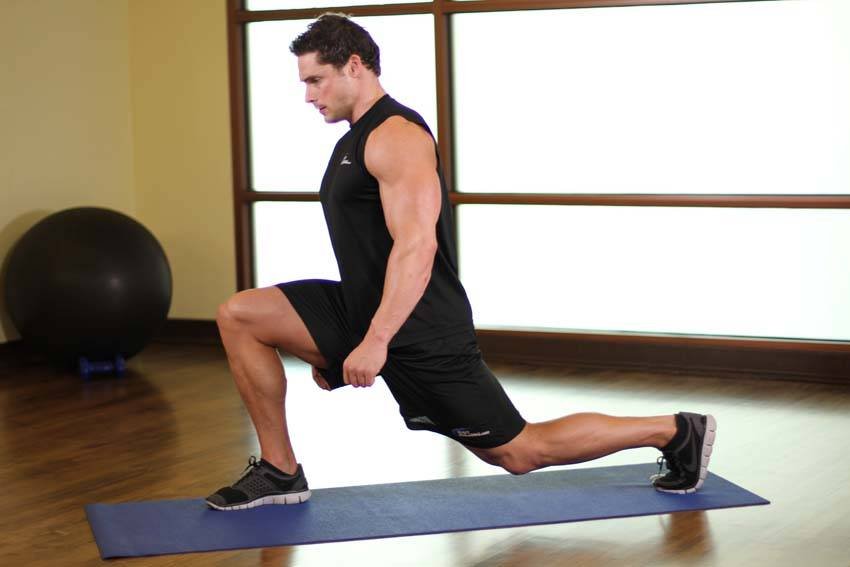
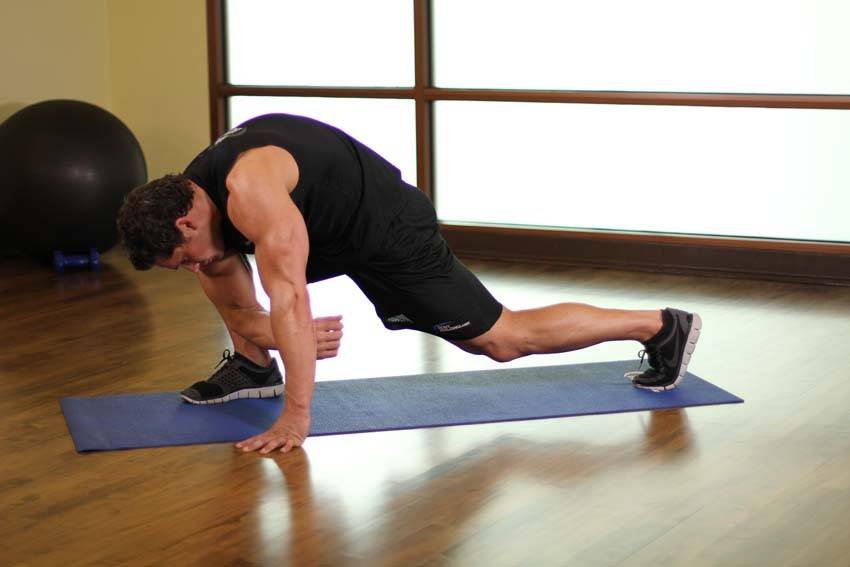
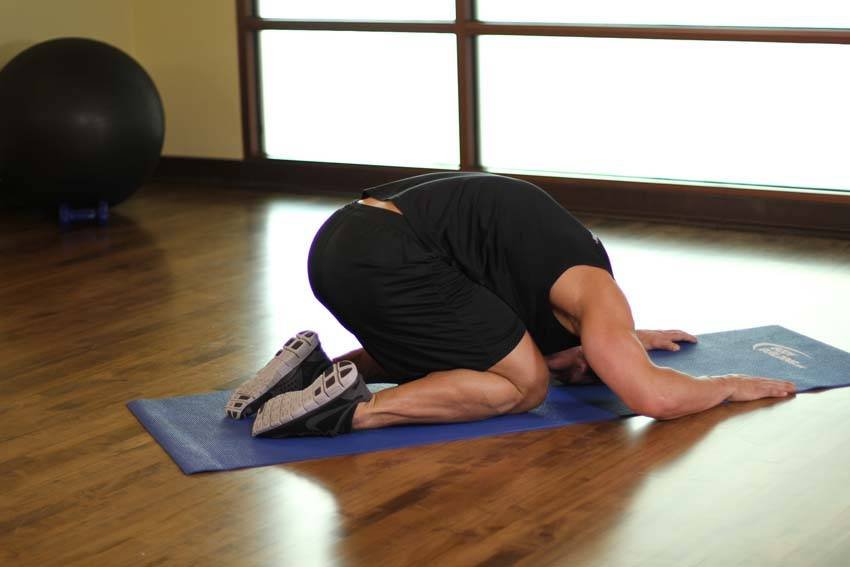
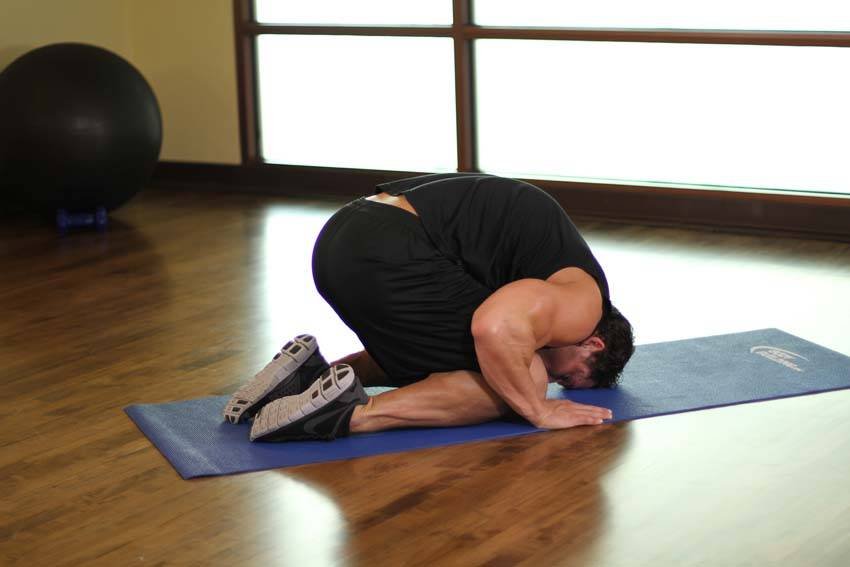
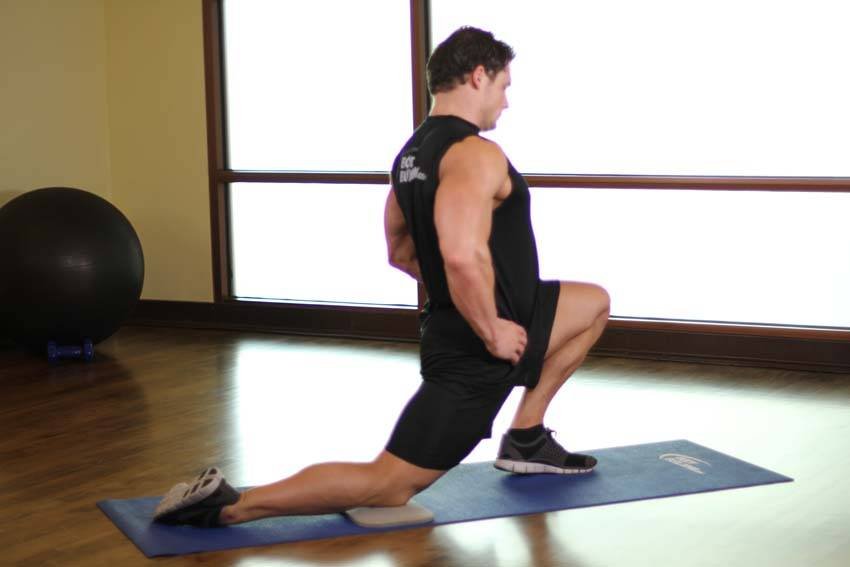
The free tier at the top of that table is not a token gesture. Ten minutes of end-range work after a session does more for how you move next week than any device on this page, and it costs nothing — see what stretching actually does for the dosing, and bodyweight leg training for the loaded end-range work that follows it.
How to perform
How to perform
How to perform
FAQ
Are ice baths bad for building muscle?
Used regularly right after strength training, yes — a 12-week controlled trial found less muscle and strength gain in the cold-water group than in an active-recovery group. Occasional use is not going to erase your progress, but as a routine post-lifting habit it works against the adaptation you trained for. Leave at least 6 hours between the session and the cold.
Is an expensive massage gun better than a cheap one?
Not for your muscles. Price buys quieter motors, longer battery life and better build quality. The physiological effect — reduced perceived soreness and a short-lived increase in range of motion — is the same from a $60 device applied for 60 to 90 seconds per area.
Do recovery boots do anything compression tights do not?
Very little that the measurements can detect. Both reduce perceived soreness modestly and neither reliably improves next-day performance. The boots cost roughly ten times more and require you to sit still for 20 to 30 minutes. Buy the tights and wear them for four hours after a hard session.
How often should I use a sauna?
The cardiovascular association in the Finnish cohort data was strongest at 4 to 7 sessions per week of 15 to 20 minutes. Start at 2 or 3 sessions of 10 to 15 minutes, hydrate before and after, and go after training rather than before so you do not start your session already heat-stressed.
If I can only buy one thing, what should it be?
A $30 foam roller. It has the best evidence-per-dollar in the category, it needs no charging, it will not break, and it covers roughly 80% of what a massage gun does. Add a cheap gun later if you find you skip rolling because reaching your upper back is annoying.
References
- Roberts LA, Raastad T, Markworth JF, et al. Post-exercise cold water immersion attenuates acute anabolic signalling and long-term adaptations in muscle to strength training. The Journal of Physiology. 2015;593(18):4285–4301. doi:10.1113/JP270570
- Dupuy O, Douzi W, Theurot D, Bosquet L, Dugué B. An evidence-based approach for choosing post-exercise recovery techniques to reduce markers of muscle damage, soreness, fatigue, and inflammation: a systematic review with meta-analysis. Frontiers in Physiology. 2018;9:403. doi:10.3389/fphys.2018.00403
- Wiewelhove T, Döweling A, Schneider C, et al. A meta-analysis of the effects of foam rolling on performance and recovery. Frontiers in Physiology. 2019;10:376. doi:10.3389/fphys.2019.00376
- Laukkanen T, Khan H, Zaccardi F, Laukkanen JA. Association between sauna bathing and fatal cardiovascular and all-cause mortality events. JAMA Internal Medicine. 2015;175(4):542–548. doi:10.1001/jamainternmed.2014.8187