


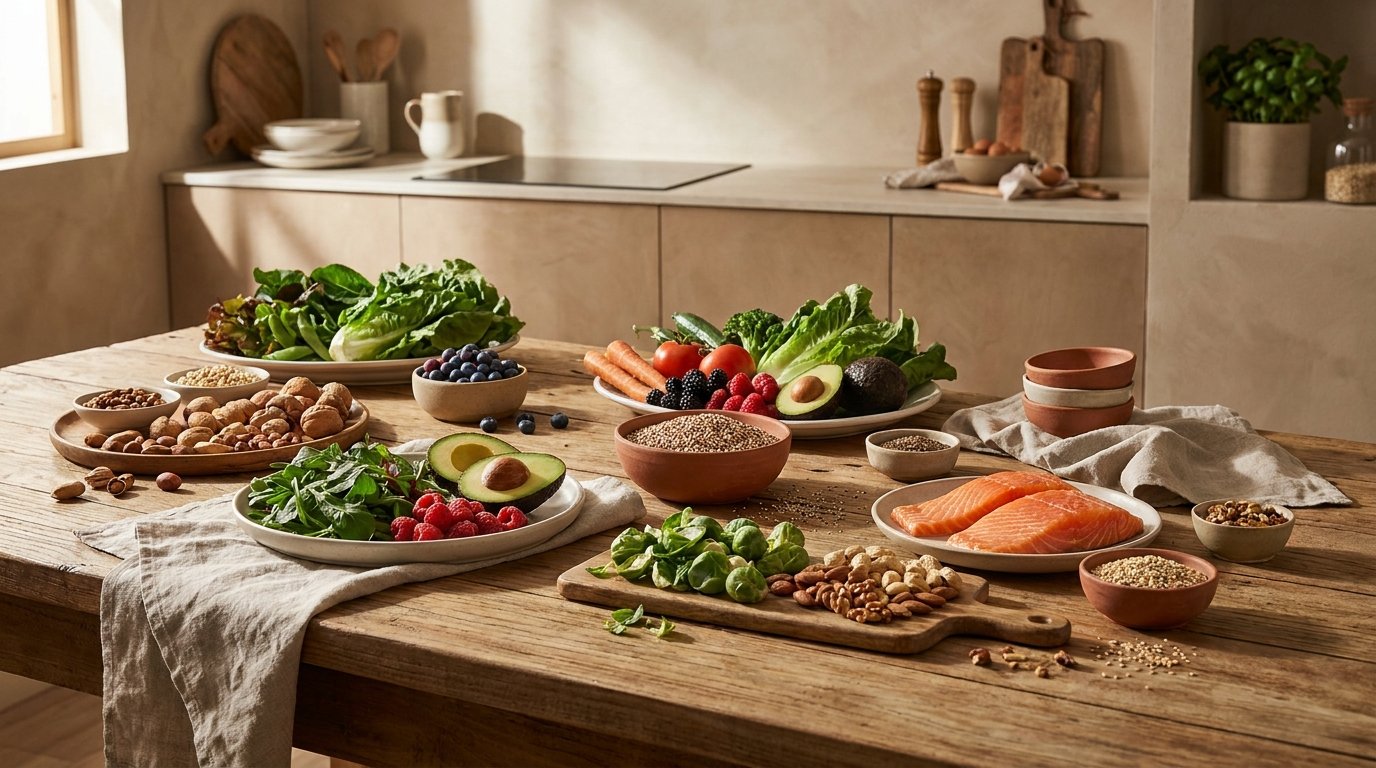
You don’t need expensive protein powders or pre-workout supplements to fuel your bodyweight training. Whole foods provide everything you need for optimal performance and recovery.
Macronutrient Basics for Bodyweight Athletes
Protein: 1.6-2.2g per kg of bodyweight daily. Sources: chicken, fish, eggs, Greek yogurt, legumes, tofu.
Carbohydrates: 3-5g per kg on training days, 2-3g on rest days. Sources: rice, oats, sweet potatoes, fruits, whole grains.
Fats: 0.8-1.2g per kg daily. Sources: nuts, avocados, olive oil, fatty fish.
Pre-Workout Nutrition (1-2 Hours Before)
- Banana with almond butter
- Oatmeal with berries and honey
- Greek yogurt with granola
- Rice cakes with peanut butter
- Apple with a handful of almonds
Post-Workout Nutrition (Within 30 Minutes)
The “anabolic window” is wider than most think (up to 2 hours), but eating sooner helps recovery.
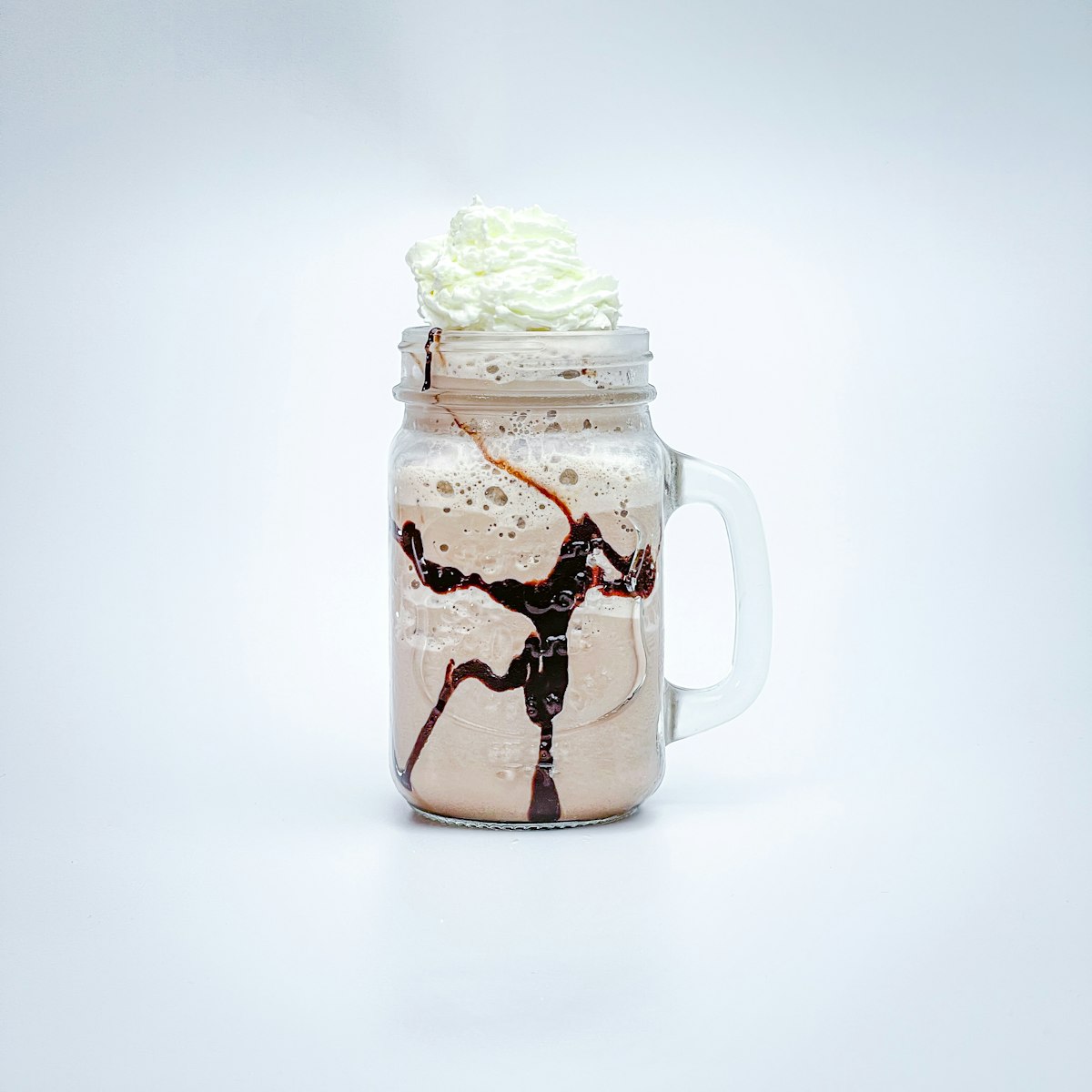
- Chocolate milk (3:1 carb:protein ratio)
- Chicken and rice bowl
- Smoothie: banana, protein powder (optional), spinach, milk
- Tuna sandwich on whole wheat
- Eggs and toast
Hydration Guidelines
- Daily: 30-35ml per kg bodyweight
- Training days: Add 500-1000ml
- During workout: 150-250ml every 15-20 minutes
- Signs of dehydration: dark urine, headaches, fatigue
Sample Meal Plan (Training Day)
Breakfast (7:00 AM): 3 eggs, 2 slices whole grain toast, 1 banana, black coffee
Snack (10:00 AM): Greek yogurt with honey and walnuts
Lunch (1:00 PM): Grilled chicken breast, brown rice, mixed vegetables, olive oil dressing
Pre-workout (4:00 PM): Apple with peanut butter
Post-workout (6:30 PM): Chocolate milk + banana
Dinner (7:30 PM): Salmon, sweet potato, broccoli, mixed greens
Do You Need Supplements?
Most people don’t. However, these may help in specific situations:
- Vitamin D: If you live in northern climates or work indoors
- Omega-3: If you don’t eat fatty fish 2-3x per week
- Creatine: For strength and power (5g daily, proven safe)
- Protein powder: Only if you struggle to hit protein targets with food