

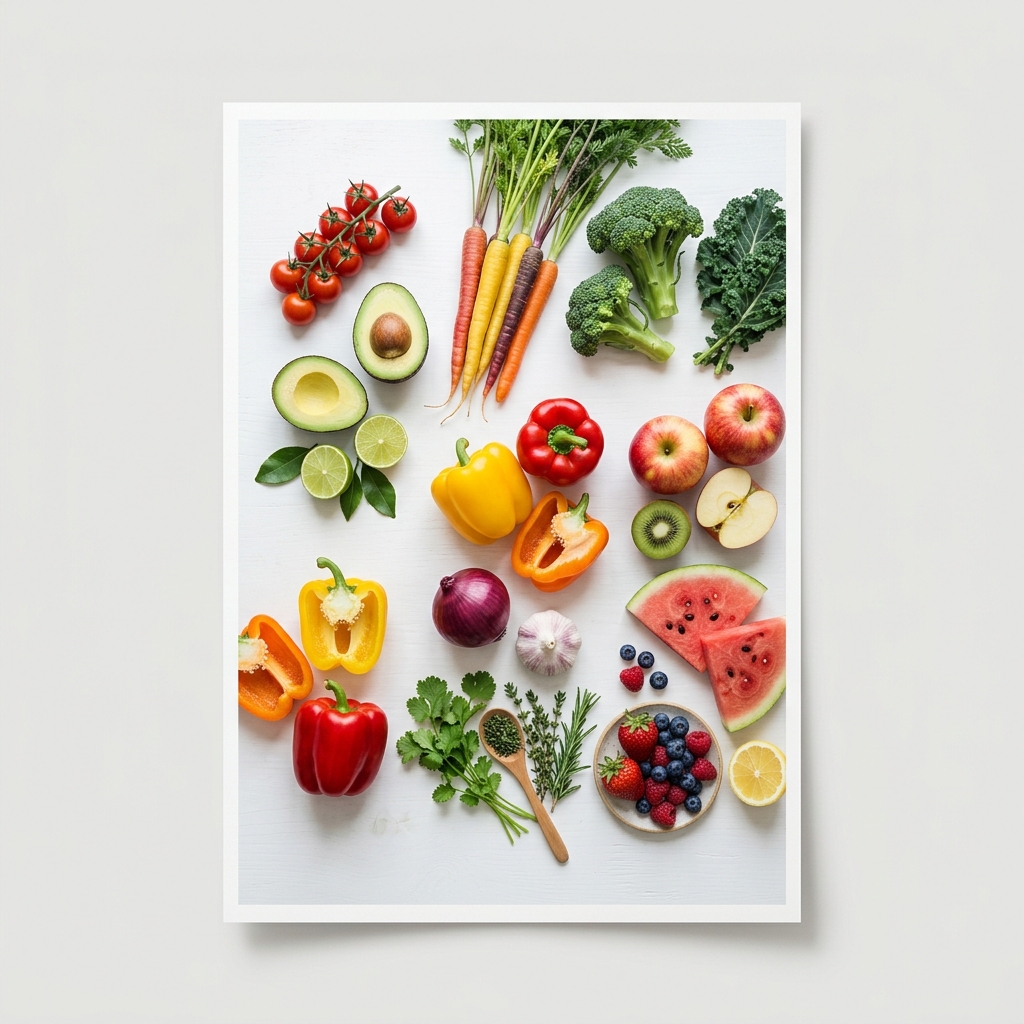
Let us address the elephant in the room immediately: the supplement industry generates over billion per year globally, and the vast majority of that money is spent on products that either do very little or simply replicate what whole food already does perfectly well. If you have ever felt overwhelmed by the sheer number of tubs, capsules, and powders promising transformation, this post is your permission slip to ignore all of it.
Body composition changes when you consistently eat in a way that supports your goals. That is it. That is the entire secret. The seven principles below are not hacks or shortcuts. They are the fundamentals that physiology actually responds to, and they require nothing except a grocery store and a basic understanding of what you are doing.
1. Eat Enough Protein, Every Single Day
Protein is the building material for muscle tissue, the most metabolically expensive macronutrient to digest, and the nutrient most likely to keep you feeling full between meals. Despite all of this, most people consistently under-eat it.
A reasonable target for active individuals is 1.6 to 2.2 grams of protein per kilogram of bodyweight per day. For a 75 kg person, that is roughly 120 to 165 grams. You do not need whey powder to hit this. Eggs, chicken breast, canned tuna, Greek yogurt, lentils, cottage cheese, and tofu are all excellent, inexpensive options that require no blender.
The practical rule: include a palm-sized protein source at every meal. If you are doing that, you are most of the way there.
2. Build Your Diet Around Whole Foods First
Whole foods come with fibre, micronutrients, water content, and compounds that processed foods strip out or never had to begin with. They also tend to be more satiating per calorie, which matters enormously when managing body composition.
This does not mean you can never eat anything enjoyable. It means that if 80 to 90 percent of your diet comes from recognisable, minimally processed ingredients, the remaining 10 to 20 percent gives you flexibility without derailing your progress. This is sometimes called the 80/20 approach, and it is considerably more sustainable than rigid elimination diets.
3. Master Your Calorie Awareness (Without Obsessive Tracking)
You do not need to log every gram of food for the rest of your life. You do need a general sense of how much you are eating relative to how much energy your body requires.
The table below gives rough daily calorie targets based on activity level for general fat loss, maintenance, and muscle gain. These are starting points, not gospel. Adjust based on how your body responds over 2 to 4 weeks.
| Bodyweight | Sedentary (Fat Loss) | Moderately Active (Maintenance) | Very Active (Muscle Gain) |
|---|---|---|---|
| 60 kg | 1,500 kcal | 1,800 kcal | 2,200 kcal |
| 75 kg | 1,800 kcal | 2,200 kcal | 2,700 kcal |
| 90 kg | 2,100 kcal | 2,600 kcal | 3,100 kcal |
| 110 kg | 2,400 kcal | 3,000 kcal | 3,600 kcal |
Track your food for two weeks using any free app. Not to judge yourself, but to calibrate your intuition. After that, most people can estimate portions accurately enough to stay on track without logging daily.
4. Do Not Fear Carbohydrates
Carbohydrates have had a rough few decades in public perception. Low-carb diets are popular, and for some people they work well. But carbohydrates are the primary fuel source for high-intensity exercise, including the bodyweight training and HIIT workouts this site is built around.
Cutting carbohydrates dramatically while training hard is like trying to run a car on fumes and hoping optimism makes up the difference. Whole-food carbohydrate sources such as oats, sweet potatoes, brown rice, beans, fruit, and whole grain bread are nutrient-dense and support training performance. Eat them around your workouts in particular, and you will find your sessions feel considerably less like punishment.
5. Eat Vegetables at Every Opportunity
This sounds like advice your parents gave you, which is slightly embarrassing given that it is also advice backed by decades of nutritional science. Vegetables provide fibre for digestive health, micronutrients for recovery and hormonal function, and volume that keeps you full without adding significant calories.
The goal is not a specific vegetable. The goal is variety and volume. A rough target of 400 to 600 grams of vegetables per day is associated with improved metabolic health in the research literature. In practical terms, that is two or three generous handfuls spread across meals. Frozen vegetables are nutritionally equivalent to fresh and considerably cheaper. There is genuinely no reason not to.
6. Drink Water Before You Decide You Are Hungry
Mild dehydration produces a signal that the brain regularly misinterprets as hunger. This is not a myth. Studies consistently show that drinking 500 ml of water before meals reduces calorie intake at that meal, and that many people who believe they are snacking due to hunger are in fact simply dehydrated.
A practical daily hydration target is 35 ml per kilogram of bodyweight. For a 75 kg person, that is approximately 2.6 litres per day from all sources, including food. Coffee and tea count toward this total, contrary to popular belief. Alcohol, however, works in the opposite direction.
7. Consistency Beats Perfection, Always
This is the principle that separates people who transform their bodies from people who perpetually restart on Monday. No single meal makes or breaks your progress. What matters is the aggregate pattern over weeks and months.
A useful framework is to evaluate your nutrition over rolling seven-day periods rather than individual days. If five out of seven days are well-structured, two days of social eating, travel, or simple tiredness will not undo your progress. The goal is not dietary purity. The goal is a sustainable pattern you can maintain for years, because years are how long it takes to build a genuinely different body.
Your 7-Day Nutrition Starter Plan
Here is a simple, no-supplement weekly framework to implement these principles starting today:
- Monday: Track everything you eat without changing anything. This is your baseline data.
- Tuesday: Add a protein source to whichever meal currently has the least. Eggs at breakfast, tuna at lunch, chicken at dinner.
- Wednesday: Replace one processed snack with a piece of fruit and a small handful of nuts.
- Thursday: Add a full serving of vegetables to lunch and dinner. Frozen is fine.
- Friday: Drink 500 ml of water before each meal. Notice whether your appetite changes.
- Saturday: Plan Monday meals in advance. Spend ten minutes, not two hours.
- Sunday: Review the week. What worked? What felt difficult? Adjust one thing for next week only.
After four weeks of this iterative approach, most people find they have built several good habits without feeling like they overhauled their entire life on day one.
The Bottom Line
Nutrition for body composition is not complicated. It is consistent. Eat enough protein, build your diet around whole foods, understand roughly how much you are eating, include vegetables, stay hydrated, and do not expect perfection from yourself.
The supplement industry would very much prefer you to believe that something is missing from this picture and that they have it in a tub for .99. They do not. You already have everything you need at the grocery store. Start there.

